Fancypickle.com
Home › Guides
Beginner's Guide

Pickleball Starter Gear: What to Actually Buy First

A no-nonsense guide to your first pickleball setup — which paddle, balls, shoes and extras actually matter when you are starting out, and what you can safely skip.

Pickleball Gear, Courts & Beginner Help • Updated for the 2026 season
See the picks ↓

Pickleball is an easy sport to try and a surprisingly tricky one to shop for. The gear looks simple, but a paddle that's too heavy, shoes built for forward motion, or the wrong ball for your court surface can make the learning curve steeper than it needs to be. None of that is your fault — the marketing rarely explains what actually matters for someone still figuring out their backhand.

This page is for adults who have played a few times on borrowed equipment and are ready to own their own gear without buying everything a tournament player would own. It explains what physical properties to look for and what to skip, and which items on this list are worth buying early versus later.

Heads up: As an Amazon Associate we earn from qualifying purchases. Links on this page are affiliate links, which means we may earn a commission if you buy something after clicking one. It costs you nothing extra and does not change what we recommend.

What we cover

  1. Selkirk Sport SLK Atlas Pickleball Paddle, Carbon Fiber
  2. Onix Pickleball Outdoor Balls — Pure 2 (40-Pack)
  3. Unisex No-Slip Pickleball & Tennis Court Shoes
  4. Athletico Sling Bag - Crossbody Backpack for Pickleball
  5. Pickleball Paddle Overgrip Tape Multi-Pack
  6. Portable Pickleball Net System Regulation Size
  7. Protective Eyewear for Racquet Sports

What actually matters

Paddle Weight: The Single Most Important Number

Beginners almost always do better with a midweight paddle, somewhere in the 7.5 to 8.5 ounce range. That weight gives you enough mass to absorb vibration without wearing out your wrist and elbow during a long session. Paddles marketed as powerful tend to be heavier, and heavy paddles aggravate arm fatigue in players who haven't built sport-specific strength yet. Lighter paddles demand better technique to generate pace — a skill you're still developing. Midweight is the practical middle ground until you know what your game actually needs.

Paddle Core and Surface: What They Actually Do

Most beginner-appropriate paddles use a polypropylene honeycomb core. It gives a forgiving, dampened feel and is far more common than nomex or aluminum cores, which are stiffer and punish off-center hits — which happen constantly in early play. The face material is a separate decision. Fiberglass (sometimes labeled composite) tends to give a bit more power and holds up better against rough outdoor surfaces. Graphite offers better feel and touch but is slightly less durable. For beginners, fiberglass is usually the smarter starting point because control is easier to learn than pace generation.

Balls: Indoor vs. Outdoor Are Not the Same Object

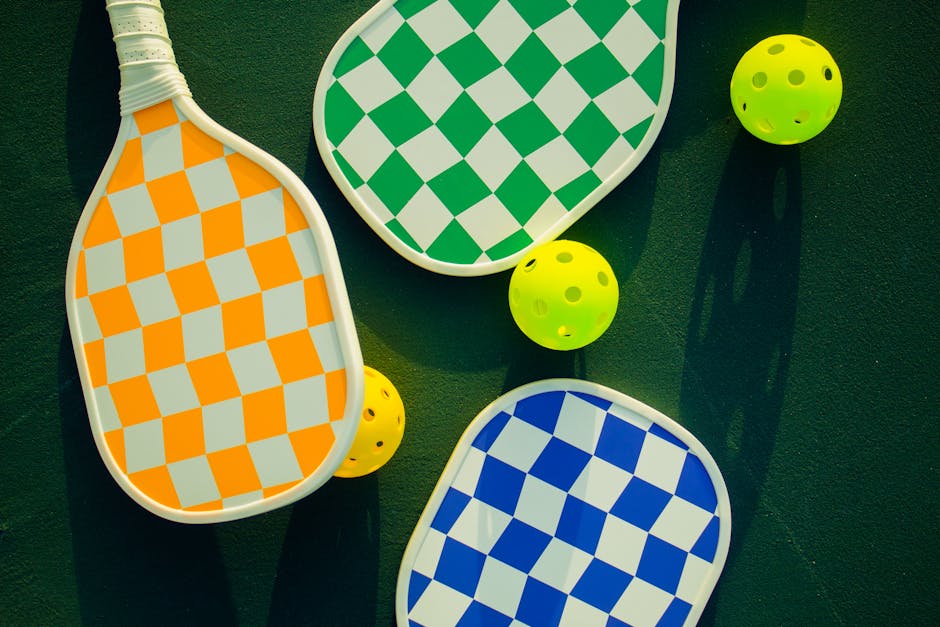
Outdoor balls have 40 smaller holes in a harder, thicker shell built to handle wind, rough asphalt, and temperature changes. They play faster and bounce lower. Indoor balls have 26 larger holes in softer plastic, designed for smooth gym floors where they bounce higher and travel more slowly — better conditions for learning dinking and the soft game. Buying the wrong type for your court will make the sport feel harder than it is and will wear the ball out prematurely. Check your court surface before you buy anything.

Court Shoes: Why Running Shoes Are the Wrong Tool

Pickleball involves constant lateral shuffles, quick stops, and pivots. Running shoes are engineered for forward motion — their high heel stack and forward-flex sole actively destabilize sideways cuts and increase ankle roll risk. Court shoes designed for tennis, racquetball, or pickleball have a flatter, wider outsole, lateral support built into the upper, and a herringbone or modified herringbone tread that grips during side-to-side movement. If you play on an indoor gym court, check that the sole is non-marking before you buy — many facilities require it.

Grip Size: Often Overlooked, Hard to Fix Later

A grip that's too large prevents wrist snap and makes dinking harder. One that's too small causes you to over-squeeze, which fatigues the arm and reduces control. A quick check: hold the paddle in a forehand grip and try to fit one finger from your other hand into the gap between your fingertips and your palm. No room at all means the grip is too small. Room for two fingers comfortably means it's too large. The important asymmetry here is that you can always build a grip up with overgrip tape, but you cannot shrink a handle. When in doubt, go smaller.

The picks

Selkirk Sport SLK Atlas Pickleball Paddle, Carbon Fiber
Pick 01

Selkirk Sport SLK Atlas Pickleball Paddle, Carbon Fiber

Players curious about carbon fiber performance

Carbon fiber face paddles prioritize spin and touch, but they require consistent technique and punish off-center hits—exactly the opposite of what a developing player needs. The buying guide above explains why a midweight fiberglass paddle is a better starting point. If you are drawn to this material, wait until your fundamentals are solid and you can identify why you want the precision it offers.

Onix Pickleball Outdoor Balls — Pure 2 (40-Pack)
Pick 02

Onix Pickleball Outdoor Balls — Pure 2 (40-Pack)

Outdoor court players who need quantity

Outdoor balls crack faster than indoor ones, especially in cold weather, so buying in bulk makes practical sense if you play outside regularly. A 40-pack means a cracked ball does not end your session and you are not constantly reordering. Confirm that your regular court is actually outdoor asphalt or concrete before purchasing — these are built for that surface, not a gym floor.

Unisex No-Slip Pickleball & Tennis Court Shoes
Pick 03

Unisex No-Slip Pickleball & Tennis Court Shoes

Anyone upgrading from running shoes

Getting court shoes early is arguably more important than which paddle you pick, because footwork injuries from lateral movement in running shoes are genuinely common among new players. Look for a low-to-ground profile and a non-slip sole pattern designed for side-to-side movement. If your courts are indoors, verify the sole is non-marking before your first session.

Athletico Sling Bag - Crossbody Backpack for Pickleball
Pick 04

Athletico Sling Bag - Crossbody Backpack for Pickleball

keeping gear organized without overcomplicating it

A sling bag sits across your body and stays out of the way walking to and from the court. The Athletico is built around pickleball gear specifically, so your paddle has a dedicated sleeve that keeps the face from getting scratched by keys or balls rattling around. Grab it, sling it, go play.

Pickleball Paddle Overgrip Tape Multi-Pack
Pick 05

Pickleball Paddle Overgrip Tape Multi-Pack

Adjusting grip size or replacing worn grip

Overgrip tape is one of the most practical small purchases in the sport. If you bought a paddle with a grip slightly on the small side — which is the right call when in doubt — overgrip tape lets you build it up to exactly where it feels right. It also refreshes a grip that has gotten slick with sweat, which happens faster than most new players expect. A multi-pack gives you enough to experiment and replace as needed.

See it on Amazon →Opens an Amazon search — models in this category change often.
Portable Pickleball Net System Regulation Size
Pick 06

Portable Pickleball Net System Regulation Size

Playing without a dedicated court nearby

If you have access to a flat surface but not a lined pickleball court, a portable net opens up a lot of options — driveways, parks, gym floors, basketball courts. Regulation size matters if you want your practice to translate to real court play. This is a later purchase for most beginners, but useful if court access is genuinely limited where you live.

See it on Amazon →Opens an Amazon search — models in this category change often.
Protective Eyewear for Racquet Sports
Pick 07

Protective Eyewear for Racquet Sports

Eye protection during fast-paced play

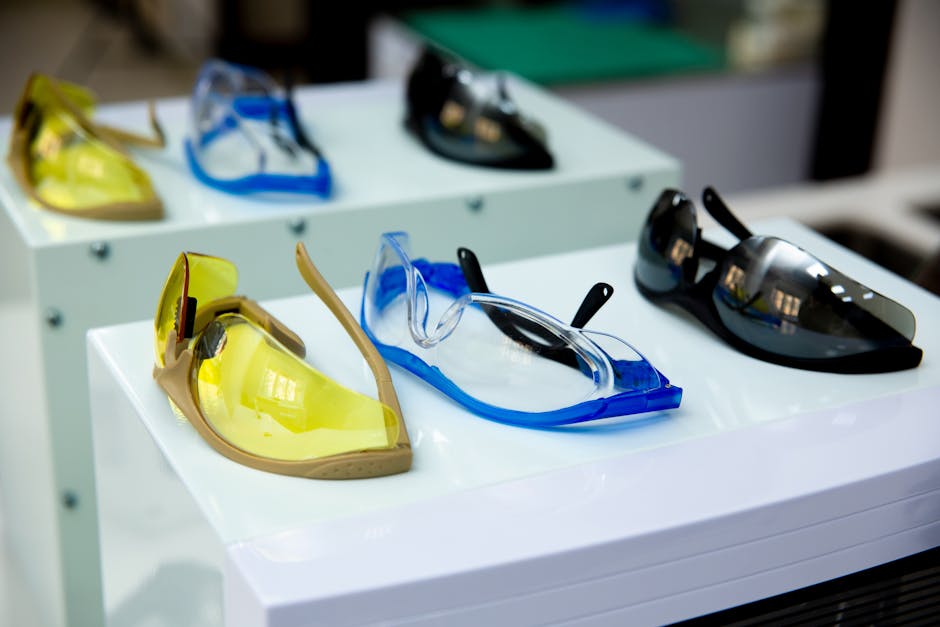
A pickleball struck at game speed is a genuine eye hazard, especially in doubles play where you are standing close to other players. Protective eyewear designed for racquet sports is rated for impact in a way that regular glasses or sunglasses are not. It is easy to skip this one, but it is the kind of item that matters before you need it, not after.

See it on Amazon →Opens an Amazon search — models in this category change often.

Questions people actually ask

Do I really need my own paddle, or is that just marketing?

The community bin matters more than people expect. Those paddles are usually heavily worn, have dead cores from impact fatigue, and are often the wrong weight or grip size for your hand. Your own paddle lets you build consistent feel and muscle memory rather than adapting to whatever you picked up that day. That said, try to borrow a few different paddles before buying if your courts allow it — even a session or two with different weights will tell you a lot about what range feels right.

Can I just wear my regular sneakers until I know I like the sport?

You can, but it is the most injury-prone shortcut on the gear list. Ankle rolls and knee stress from lateral movement in running shoes are genuinely common among new players, and the risk is actually highest early on when your footwork technique has not developed yet. If you already own tennis or racquetball shoes, use those. If you do not, court shoes are worth buying before a second paddle upgrade.

How many balls should I buy to start?

Three to six is a practical starting number for recreational play — enough to keep a rally going without constantly chasing strays, and enough that one cracking does not end your session. Outdoor balls crack faster, especially in cold weather, so if you play outside in fall or winter buy a few extras. The 40-pack option makes more sense once you are playing several times a week.

What is the difference between a beginner paddle and a tournament paddle, physically?

Tournament paddles are typically optimized for spin generation, precise net touch, or raw power — properties that require developed technique to use correctly. They tend to punish mishits rather than forgive them. Beginner-appropriate paddles have a larger effective sweet spot, a softer feel, and a midweight balance that corrects slightly for off-center contact. The tournament paddle is not better in any universal sense; it is just built for a different player.

Is a longer paddle handle better for someone coming from tennis?

It can help with two-handed backhands and feels more familiar for former tennis players. The tradeoff is that elongated handles typically reduce the paddle face size to stay within equipment rules, which shrinks your sweet spot — a real disadvantage for someone still developing court vision. Try a standard handle first unless your backhand specifically feels weak without more reach.

You do not need much to play pickleball well as a beginner — a midweight paddle in the right grip size, the correct ball for your court surface, and shoes built for lateral movement will take you further than any upgrade marketed at competitive players. Get those three things right first. Everything else on this list can follow as you figure out how often you are actually playing and what your game needs.